National Nurses Week
National Nurses Week Honors the Essential Role of Nurses in Strengthening Families, Communities, and Public Health
As the nation observes National Nurses Week, May 6–12, Family Connects International (Family Connects) is honoring the vital role nurses play in protecting health, supporting families, and strengthening communities—often at life’s most critical moments.
National Nurses Week is celebrated annually during the birthday week of Florence Nightingale, the founder of modern nursing, and recognizes the enduring impact of the nursing profession on health, healing, and public well-being. For more than a century, nurses have been at the forefront of care—bridging clinical expertise with compassion, trust, and advocacy.
Today, nurses continue to serve as the backbone of the U.S. health system—and increasingly, as leaders in prevention and community-based care.
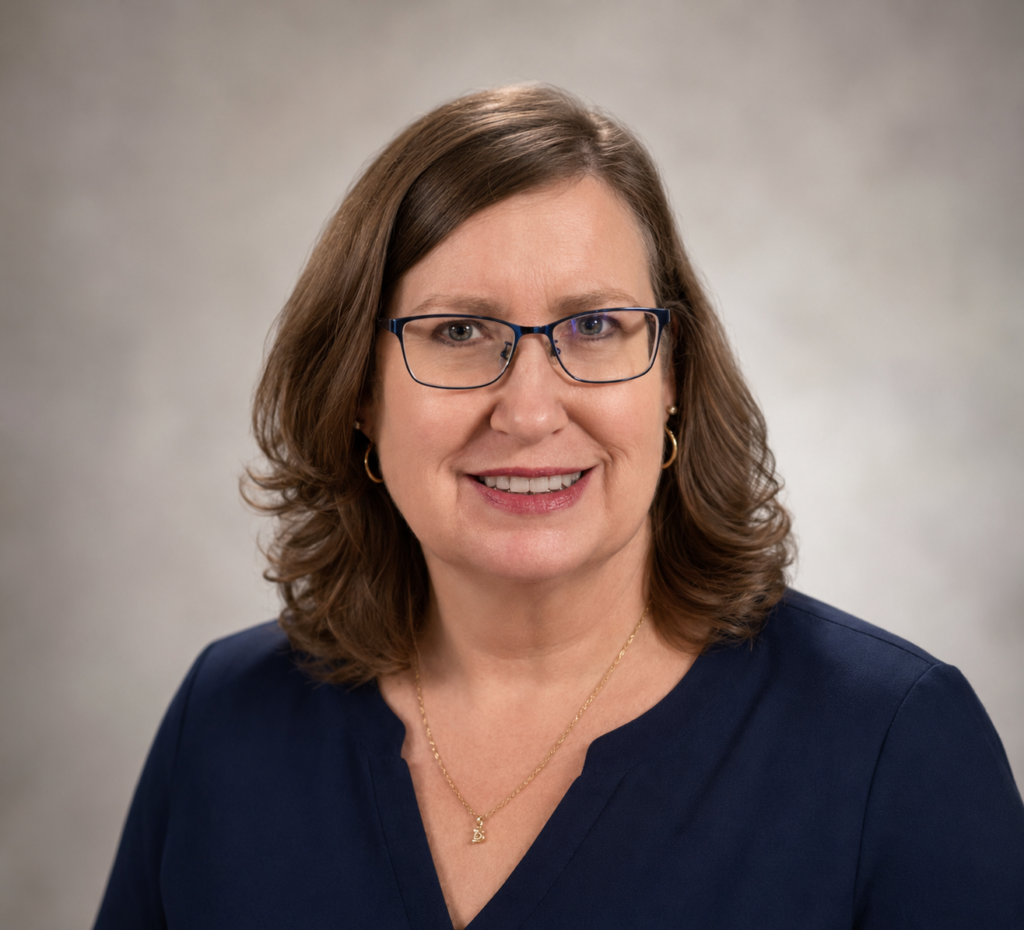
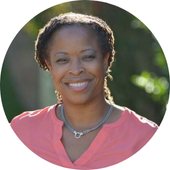
“Nurses are often the first to see what families are experiencing—and the first to help,” said Alain Glen, Chief of Nursing at Family Connects. “Their ability to combine clinical expertise with relationship-based care makes them indispensable to public health.”
And nurses are at the frontlines of our effort to promote maternal and infant health, identify mental and physical health concerns early, address social determinants of health, and advance access through trusted, culturally responsive care.
When we are supporting Families from the start, we can reduce emergency medical care use, lower rates of child maltreatment, improve maternal mental health, and strengthen family connections for life-long success.
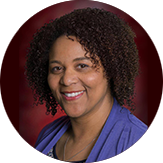
“Nurses don’t just treat symptoms—they see the whole family,” said Wendy O’Shea, Director of Nursing at Family Connects. “That perspective is what makes nurse-led prevention so powerful.”
National Nurses Week is not only a time to celebrate nurses—it is a time to invest in systems that allow nurses to activate their training, leverage their tremendous experience, and create lasting impact.
Family Connects calls on health systems, policymakers, funders, and community leaders to support nurse-led, community-based models that improve outcomes for families while strengthening public health infrastructure.
When we invest in nurses, we invest in prevention, equity, and healthier futures. Nurses are essential—not just to health care, but to community well-being.
Board Member Michele Benoit-Wilson Speaks at the Black Maternal Health Week Proclamation with NC Governor Josh Stein
Watch Family Connects Board Member Michele Benoit-Wilson, MD, FACOG elevate the effectiveness of postpartum nurse visiting at the North Carolina Black Maternal Health Week Proclamation Signing alongside NC Governor Joshua Stein, Senator Natalie Murdock, and Senate Minority Leader Sydney Batch.
Because providing access to postpartum healthcare for all families is universally something we can get behind.
The right support at the right time.

Welcome Home: A Nurse Visit for Every New Baby
Bringing the Impact to Life
The first weeks after a baby arrives can be joyful — and overwhelming. It’s also a critical time for the health and wellbeing of parents, babies, and the entire family. Every family deserves trusted support during this moment.
A new film from the Burke Foundation, produced by BBC StoryWorks Commercial Productions as part of the WHO Foundation’s Healthier Together II series, highlights the impact of Family Connects NJ.
The film follows nurse Diana Gonzalez on a home visit, showing how personalized, compassionate care helps families navigate the postpartum period. It also features insights from pediatrician Dr. Sanjna Shah and Lisa Asare, President and CEO of the New Jersey Maternal and Infant Health Innovation Authority.
🎬 Watch the film: https://burkefoundation.org/news/family-connects-nj-film/#watchfilm
A Proven Model, Growing Impact
Since launching in January 2024, Family Connects NJ has reached more than 10,000 families across the state — demonstrating the power of universal, early support.
Early evaluation findings from Johns Hopkins University show:
- 51% of families were connected to community resources
- 14% had significant maternal or infant health concerns identified early
- 60% successfully accessed recommended services
- 100% of caregivers reported feeling heard and supported
Family Connects NJ is a vital connection point to a broader system of care — making support accessible, routine, and trusted for families across New Jersey.
Because when families are supported from the start, everyone benefits.
What Families Can Expect
During the FREE nurse visit, specially trained nurses:
- Check on the physical and emotional health of both parent and baby
- Identify potential concerns early, before they become more serious
- Answer questions and build parenting confidence
- Connect families to local resources, including lactation support, mental health care, pediatric services, and more
This early, relationship-based care helps reduce stress, strengthen families, and support healthy development — giving every baby the opportunity for a strong start.
This film was produced for the Burke Foundation by BBC StoryWorks Commercial Productions as part of the WHO Foundation’s Healthier Together II series.
Black History Month Addressing Maternal Health
Black History Month Highlights the Urgent Need to Address Black Maternal Mental Health—Through Prevention, Equity, and Universal Support
As the nation observes Black History Month, Family Connects International (FCI) is uplifting the critical need to address Black maternal mental health—an area where long-standing inequities continue to place Black mothers at greater risk, despite resilience, strength, and deep community knowledge.
According to the Policy Center for Maternal Mental Health, Black mothers experience significantly higher rates of maternal mental health conditions, including postpartum depression and anxiety, yet are less likely to receive timely diagnosis, treatment, or follow-up care. Structural barriers—such as implicit bias in healthcare, lack of culturally responsive services, limited access to postpartum support, and fragmented systems of care—continue to drive inequitable outcomes.
Maternal mental health conditions are among the most common complications of pregnancy and childbirth, and when left unaddressed, they can affect not only mothers, but infant health, family stability, and long-term child development.
“Black maternal mental health outcomes are not the result of individual failure—they are the result of systems that too often fail Black mothers,” said Jade Woodard, Executive Director of Family Connects International. “Equity requires intentional, preventive solutions that meet families early, universally, and with trust.”
And the Data tell us that:
- Black women experience higher rates of postpartum mood and anxiety disorders than white women.
- Black mothers are less likely to be screened, referred, or treated for maternal mental health concerns.
- Untreated maternal mental health conditions contribute to higher rates of maternal morbidity, increased emergency care use, and negative impacts on infant and child outcomes.
These inequities persist even when controlling for income and education—underscoring the need for system-level, equity-driven solutions.
How the Family Connects Model Advances Equity
- Universal Reach: Every family is offered support, ensuring Black mothers are not excluded due to eligibility rules or referral gaps.
- Early Screening & Relational Health: Registered nurses assess maternal mental health, physical health, and social needs during the critical postpartum window.
- Direct Connection to Care: Nurses link mothers to culturally responsive mental health services, primary care, and community supports.
- Demonstrated Reduction in Disparities: Research shows the Family Connects model reduces racial disparities across multiple outcomes, including maternal mental health, emergency medical use, and connection to preventive care.
- Prevention-First Approach: Addressing needs early prevents escalation into crises that disproportionately impact Black families.
“When support is universal and preventive, equity improves,” said Kim Friedman JD, Chief Program Officer at FCI. “The Family Connects model shows that disparities are not inevitable—they are reducible when systems are designed with intention.”
Black History Month is both a time to honor Black leadership and resilience—and a call to address the inequities that continue to affect Black families today.
Family Connects International calls on health systems, policymakers, funders, and community partners to invest in universal postpartum support models that center maternal mental health, dismantle structural barriers, and ensure Black mothers receive the care they deserve.
“Supporting Black maternal mental health is not only a moral imperative—it is a public health necessity,” said Jade Woodard. “When Black mothers thrive, families and communities thrive.”
Honoring the Life of Dr. Janell Green Smith
Dr. Green Smith’s legacy underscores the urgent need to address the Black maternal health crisis in the United States
Family Connects International joins communities across the country in mourning the tragic loss of Dr. Janell Green Smith, a certified nurse midwife, Doctor of Nursing Practice and maternal health advocate, who died during childbirth earlier this month. Her passing has reignited a national conversation about the persistent and deadly inequities facing Black women during pregnancy and childbirth.
Dr. Green Smith dedicated her life’s work to protecting birthing people—particularly Black mothers—by advocating for respectful, evidence-based, and culturally responsive maternal care. Her death, while bringing her first child into the world, is both a profound personal tragedy and a devastating reminder that no amount of education, advocacy, or professional expertise shields Black women from systemic failures in maternal health care.
“This is an unimaginable loss,” said Jade Woodard, Executive of Family Connects International. “Dr. Janell Green Smith spent her life fighting for safer births and better systems of care. Honoring her legacy means doing more than mourning—it means dismantling systematic inequities.”
Black women in the United States disproportionately experience adverse pregnancy outcomes, including maternal mortality, compared to women of other racial and ethnic groups. According to the Centers for Disease Control and Prevention (CDC), approximately 50,000 women in the U.S. experience severe pregnancy complications each year, yet Black women are at least three times more likely to die from a pregnancy-related cause than White women.
The overall U.S. maternal mortality rate increased from 20.1 deaths per 100,000 births in 2019 to 23.8 in 2020—representing approximately 861 maternal deaths. For Black women, the maternal mortality rate is approximately 55.3 deaths per 100,000 live births, the highest of any racial group, representing an estimated 1,800 maternal deaths. This number has continued to rise in recent years.
Health experts note that more than 80 percent of pregnancy-related deaths are preventable, underscoring the role of systemic gaps in care, failure to listen to patients, delayed responses to warning signs, and inequities in quality and access to maternal health services.
Family Connects International reaffirms its commitment to advancing maternal health through early, universal, nurse-led postpartum support, which has been shown to improve maternal outcomes, identify complications sooner, and reduce disparities across racial and socioeconomic groups.
Dr. Janell Green Smith will be remembered for her unwavering dedication to birthing justice, her compassion for families, and her tireless advocacy for safer, more equitable maternal care. Family Connects International calls on leaders at every level to turn grief into action and ensure that no more families suffer preventable loss.
To follow coverage of Dr. Janell Green Smith passing, visit: https://nurse.org/news/janell-green-smith-midwife-death-maternal-care/


DATA ANALYST


OPERATIONS MANAGER
MARKETING AND COMMUNICATIONS SPECIALIST




TEAM LEAD, ADVANCED IMPLEMENTATION SPECIALIST II



IMPLEMENTATION SPECIALIST
SENIOR CONTRACTS OFFICER

COMMITTEE MEMBER, FOUNDER


COMMITTEE MEMBER
COMMITTEE MEMBER, FOUNDER

DIRECTOR
DIRECTOR


DIRECTOR
VICE CHAIR
TREASURER