FCI, works with community partners across the USA, such as Family Connects Chicago, to ensure ALL newborns and families receive equitable and quality health care, support and resources.
The perinatal period is often described as a time of joy and hopeful expectation for mothers and families of newborns. The mounting pressure for mothers to display excitement and happiness during this time is enormous for some. It is no surprise that mothers of newborns often feel alone and experience increased sadness and low mood. Mental health challenges are very common and can impact any mother or expecting mother, regardless of background, during the perinatal period.
During Mental Health Awareness Month, Family Connects International highlights the importance of maternal mental health and well-being. Mental health disorders in mothers, such as mental health conditions and substance use disorders are major factors contributing to maternal deaths. In 2022, the CDC reported that over 80% of perinatal deaths were preventable. 23% of perinatal deaths are linked to mental health conditions including feelings of despair, restlessness, or substance abuse, which are the most significant problems associated with pregnancy, childbirth, and the postnatal period, affecting one-fifth of women. According to the CDC, one in eight women experience postnatal depression.
Though mental health conditions related to the perinatal period are not completely preventable, they can be managed, making recovery possible when symptoms of depression are detected, and mothers are provided with the resources needed to address their concerns.
Maternal Mental Health Warning Signs
During a Family Connects nurse home visit, registered nurses examine infants and assess mothers for needs and concerns. When a mother shares that she has been experiencing symptoms of depression, anxiety, or any mental health condition, Family Connects’ registered nurses address the need by connecting her to local resources that will support and help her on her path to recovery.
Some risk factors for maternal mental health conditions are:
History of mental health issues
Family history of depression and anxiety, or any other health conditions
Chronic health issues
Relationship challenges during the perinatal time
During the postpartum period, mental health conditions may interfere with a mother’s ability to bond with her newborn, which is critical during this time. Women with postpartum depression may experience long-term sadness, lack of pleasure or disinterest in activities they usually enjoy, negative thoughts about their newborns or themselves, suicidal ideations, or other signs related to mental health challenges. It is important to understand the signs of perinatal mental health conditions and to connect mothers to resources to address their needs to make a full recovery.
Our mission is to ensure every family of a newborn receives equitable care within three weeks of birth. The Family Connects Universal Home Visiting Model addresses common challenges and concerns, including physical and mental health conditions. It also connects mothers to local support systems and resources to meet their needs. During a Family Connects nurse home visit, personalized plans and goals may be created in collaboration with the mother for childcare, health, and returning to work, if the mother chooses.
How Family Connects International Provides Care and Resources to Support Maternal Mental Health
The Family Connects Model integrates medical assistance with mental health resources. Family Connects International equips our community partners with training, resources, and support to connect families to local resources and provide newborns and their families with quality care. Registered nurses meet mothers and newborns at their homes, or at a location they are comfortable with, free of charge. Meeting mothers where they are most comfortable allows registered nurses and mothers to have conversations they might not normally have in public medical facilities.
The resources Family Connects nurses offer align with the mother’s mental health and physical needs discussed during the nurse home visit. Our registered nurses listen to mothers and work to provide them with needed tools and resources based on the needs identified. By the end of the nurse home visit, mothers are empowered and equipped to get the care they deserve. Studies have shown that the Family Connects early intervention program reduces the risk of mental health conditions. In a 2014 study, evidence indicated that the Family Connects model can reduce the likelihood of postpartum depression or anxiety by 30%.
Family Connects’ registered nurses are trained and equipped to address the whole person’s needs and the needs of their newborns and families. Our nurse home visits are completely confidential. There are countless accounts of new parents and their families who receive a nurse home visit from a Family Connects registered nurse highlighting the exceptional level of care delivered by our community partners and healthcare professionals. The testimonials received underscore the quality services our dedicated teams of nurses provide, ensuring the well-being of families and infants in communities nationwide. Our commitment to excellence shines through in the positive experiences and stories of those who have benefited from our nurse home visits.
Our mission revolves around ensuring that all families receive the necessary care and support during this crucial time. Family Connects Nurses embody our mission every day. To learn more about our nurse home-visiting model and how it improves the lives of mothers and newborns visit our website at FamilyConnects.org. Interested in becoming a community partner of FCI? Visit https://familyconnects.org/join-us/launch-a-family-connects-partnership/.
Dr. Simbo Ige, Chicago Department of Public Health Commissioner, talked to ABC 7 about Black Maternal and the availability of Family Connects to new parents in Chicago. Chicago is increasing access to over 16,000 women who will receive a free in home visit from a nurse!
The video above has been set to play right before Governor DeWine starts speaking about Family Connects at the 39 minute mark.
“I’m also pleased today to announce that we will be launching a new pilot program in 11 Ohio counties that we’re calling Family Connects. Every new mom will be eligible in these 11 counties to receive a visit from a nurse about 3 weeks after delivering her baby. These visiting nurses can guide families to clinical or community supports, recognize when a mom and a baby may need additional help as a result of exhaustion or trouble with breastfeeding, and remind or teach new moms about how a baby can sleep safely. Similar programs that we’ve looked at have shown a track record of reducing infant mortality. In places where these programs have been implemented rates of Child Protective Services investigations have decreased by 44% and mothers have shown a 30% drop in postpartum depression and a 50% reduction in emergency room visits. In our next budget that I’ll present to you next year, I’ll be asking you for additional support to take that Family Connects program statewide.”
Advocates gather outside of Rep. Jeff Jackson’s office after a meeting.
By: Melea Rose-Waters, MSW, Senior Policy Director, Family Connects International
Participants who attended the National Home Visiting Summit had a busy and productive day on Capitol Hill! From January 31 to February 2, 2024, our Nation’s Capital was filled with advocates for children and families as they attended the National Home Visiting Summit. During this part-advocacy and part-educational event, participants were given the opportunity to schedule meetings with their congressional delegation, also known as Hill visits. These meetings were organized by a state lead and guided by preparation provided by the Start Early Community of Practice on Advocacy and Policy and a strategy session the morning of the visits on January 31st.
Family Connects International’s senior policy director, Melea Rose-Waters, organized meetings with members of Congress across different states and participated in visits with a number of advocates from home visiting models, early literacy groups, community-based organizations, and academia. We walked the halls of Congress and sat at tables together with members and staffers with a common goal: raising awareness for the need to support children and families.
Moving Upstream
A holistic approach to child and family support begins upstream, and the United States is currently facing a maternal mortality public health crisis. The U.S. has the highest pregnancy-related death rate among developed nations and that rate rose a staggering 40% in 2021 compared to the previous year. The maternal mortality rate for Black women is nearly three times higher than the rate for white, non-Hispanic women. These stats beg the question: how is this happening in a country with one of the most advanced health care systems in the world?
There isn’t one simple solution to prevent potential health complications postpartum, but there is certainly more we could be doing as a country today to demonstrate that the health and well-being of moms and babies is a priority.
Family Connects: A Universal Solution to a Preventable Crisis
Family Connects is an evidence-based program where a nurse visits families with newborns in the first few weeks postpartum. In the select communities where the service is available, it is offered universally to everyone and at no cost to the family. A visit is scheduled with the family before leaving the hospital and three weeks later, the nurse comes to the home to visit mom and baby. The visit is an extension of the medical care provided by their OBGYN and can bridge a gap between the family and an entire community system of care that is available – from childcare resources to breastfeeding support.
Medical assessments aren’t the only areas that the nurses cover during visits. They carry with them a wealth of knowledge about the best care for moms and newborns, and they help connect families to the resources that are available to them in their communities. The program has been shown to reduce postpartum anxiety, increase the likelihood that mom attends the recommended six-week postpartum health check, and improve overall health and well-being for both mom and baby.
In the US, infants typically visit their pediatricians several times in the first few weeks of life, yet moms are typically seen by their providers about six weeks postpartum, leaving a six-week span of zero care. For some moms, these visits are a matter of life and death.
A Call to Action for Policymakers and Providers
The Washington Post featured an op-ed on August 18th, 2023 titled “Want to fix America’s maternal health crisis? Here’s where to start” that highlighted data-driven policy recommendations to provide the best maternity care. These recommendations underscore themes that maternal health experts have been saying for decades: what we’re doing isn’t working.
Providers need to pay more attention to the health and well-being of moms during the postpartum period, prioritize equity to address maternal mortality risks that are disproportionately impacting people of color, and look to what has worked well in other countries to improve maternal health outcomes. A call to action for both policymakers and the medical community, with a roadmap of strategies that can change outcomes and support families during a vulnerable – and sometimes scary – life transition into parenting a newborn.
A Gold Standard of Postpartum Care
Currently, two states are bringing Family Connects statewide, and there is a scattering of communities across the country that have also seen the value in nurse visits for new moms. A national crisis like the maternal mortality rate needs innovative, universal solutions. What we’re doing isn’t enough and it isn’t working. Moms and families deserve more. Imagine what is possible with a gold standard of postpartum care that includes a holistic approach that starts prenatally and continues well into the fourth trimester – the critical time postpartum that is most dangerous for new moms, with the highest risk of maternal death occurring during the first 42 days postpartum. Family Connects nurses are saving lives.
Want to know how you can meet with your policymakers? Stay tuned for our next blog post for Community Partners on how to organize and execute effective meetings with policymakers.
After Kristen Nuyen gave birth to her son in September, she received a free, at-home medical visit through Family Connects, a Chicago Department of Public Health program that partners with participating hospitals around the city. Nuyen expected the standard, postpartum visit to take half an hour. Instead, the nurse spent more than three hours in her home—but not due to any emergency or medical issue.
“Instead of me being on the exam table, we were sitting on my couch, so it was very conversational, and I had the baby with me,” Nuyen tells the Reader. “It felt more relaxed, like I was talking to a friend—a friend who just happens to know everything.”
Nuyen’s experience stands in stark contrast with the current trend in medical visits, which, according to a 2018 study, average fewer than 20 minutes for an appointment. This extra time spent with patients is especially important for those in the postpartum period—usually lasting for six to eight weeks following childbirth—during which time the newborn and birthing parent are at the highest risk of health complications and require close monitoring.
According to a 2023 Illinois Department of Public Health report, pregnancy-related deaths in the state climbed from 88 to 110 between 2018 and 2020. The highest concentration of these deaths occurred in Chicago and the surrounding suburbs, and rates of postpartum morbidity and mortality are twice as high for Black birthing parents. The study identified the strongest predicting factors to be inadequate access to prenatal and postpartum care, and estimated that 91 percent of postpartum deaths are entirely preventable.
“Every birthing parent, [every] adoptive parent should at least have one nursing visit at home within the first three weeks,” says Janae Rhodes, nurse supervisor at the University of Chicago Medicine’s partner program with Family Connects. “There’s so many unknowns and adjustments involved during this period.”
Nuyen’s experience with her Family Connects nurse made her feel more prepared to respond to any unexpected issues that could come up. “We don’t have a lot of family in the city, and the nurse asked, ‘If there was an emergency in the city, what would you do?’” Nuyen says. “They gave me the contact information of an emergency nurse, and if something were to come up, they told me to call at any time.”
Nurses in the program are also instructed to walk parents through the postpartum warning signs—symptoms like fever, trouble breathing, dizziness, and severe headache—and encourage patients to schedule follow-up appointments with their doctor.
For Nuyen, her experience with Family Connects began long before she was pregnant. She’s worked at EverThrive Illinois—a reproductive justice nonprofit that works closely as a partner organization with Family Connects—for more than eight years. There, Nuyen leads two community alignment boards, or community-based organizations, in Chicago’s south side, which work in tandem with Family Connects nurses to ensure clients are covered regardless of their needs.
Although Family Connects currently provides one at-home visit, nurses work with families to create a plan for continued care through doctors and other medical support. “They will sit with the person while they call the doctor’s office to schedule your postpartum check up,” Nuyen says. “We can see from the data that 95 percent of people who participate in the program will go on to have their visit, which is much higher than what we see generally.”
The program uses a referral system to act as a liaison for parents, providing families with information and connecting them to medical support and material resources like diapers, which are not covered by food assistance programs like WIC in Illinois.
After working in the maternal and child health field for years, Nuyen was surprised when the Family Connects nurse informed her of resources that she didn’t realize were available. “They had a lactation consultant who was on demand and available, and I called that consultant like once a week for months after that visit,” Nuyen said.
Clients can also use the program to access other types of support, ranging from affordable housing referrals to guidance navigating resources for mental health, transportation assistance, and childcare.
“You would think some of these things are easy to find within the community,” Rhodes says. “But a lot of these resources aren’t easy to find—even through Google.”
Family Connects is also available for parents who suffer from perinatal loss and seeks to address the needs of families using a holistic approach.
“Sometimes it’s about consoling and supporting what they might be experiencing emotionally,” Rhodes says.
On February 2nd, FCI’s Acting CEO, Jenny Jensen, presented with Family Connects Frederick County (Maryland) at the National Home Visiting Summit held in Washington, DC. Their presentation “Redesigning Postpartum Health Care to Include Universal Nurse Home Visits” highlighted the postpartum experience and innovative health care. FC Frederick County has been a certified partner since 2023 and you can learn more about their work at https://www.frederickhealth.org/…/nurse-visit-at-home
Cassie Richardson
DIRECTOR OF DEVELOPMENT
With over 15 years of experience in North Carolina’s nonprofit and marketing sectors, Cassie is passionate about building partnerships that make a real difference. From securing grant funding and managing multi-million-dollar portfolios to partnering with local businesses and Fortune 100 companies, she specializes in turning big-picture missions into clear cases for investment that connect community impact with brand growth.
On the weekend, Cassie can be found walking to the farmers market or exploring local restaurants and events with her husband and toddler—and she is perpetually trying to find an actual hobby (suggestions welcome!).
Stephanie Pond
SENIOR BUSINESS ANALYST
Stephanie Pond brings over 20 years of experience as a Business Analyst to Family Connects, specializing in the healthcare, insurance, and finance Industries. She has supported various software and departments, offering a wide range of knowledge and experiences to contribute to the ongoing growth of Family Connects. Stephanie was born and raised in Raleigh, NC. She loves camping and enjoys a variety of crafts in her spare time.
Suquey Castillo-Lopez
OPERATIONS SPECIALIST
Suquey Castillo-Lopez brings over eight years of non-profit experience working with humanitarian organizations. She holds both a Bachelor’s and a Master’s degree in Psychology from North Carolina Central University. Suquey is passionate about working with families and promoting health equity, specializing in operational efficiency and strategic growth.
Originally from Veracruz, Mexico, and now living in North Carolina, she enjoys trying new foods and hiking in the North Carolina mountains in her free time.
Zohrab Mirza
DATA ANALYST
Zohrab Mirza has a background in epidemiology, public health analytics, and maternal and child health programs. He brings over five years of experience at the Chicago Department of Public Health, where he supported Family Connects Chicago through data analysis, dashboard development, quality improvement initiatives, and program evaluation. His work focused on translating complex data into actionable insights that helped guide operational strategy, strengthen reporting, and improve outcomes for families across Chicago communities.
Zohrab holds a Master of Public Health degree with a concentration in Epidemiology and is passionate about using data systems and visualization tools to support evidence-based decision making and community impact. He is especially interested in improving how organizations use data to tell meaningful stories, strengthen implementation, and drive continuous improvement.
Outside of work, Zohrab enjoys photography, travel, playing and watching basketball, and cheering on the Chicago Bulls. He also values spending time with family and friends, exploring new neighborhoods and restaurants around Chicago, and finding creative ways to capture everyday moments through photography.
Seth Bumgarner
Instructional Design Manager
Born and raised in North Carolina, Seth is a person-first educator and adventurer. With nearly a decade experience in higher education, he is joining FCI as an Instructional Designer to build, enhance, and share educational strategies for community partners and colleagues. He plans on using his experiences in assessment and evaluation, program management, and adult learning theory to make engaging and interactive content that you don’t want to miss. He enjoys games (board, role-playing, tabletop, puzzle, video, etc.) and strives to include gameplay and fun in his work.
Nathan Fink
CHIEF ADVANCEMENT OFFICER
Nathan John Fink brings more than 20 years of experience in education, fundraising, marketing, and social norms change. Nathan received a Master of Fine Arts in storytelling from the University of New Hampshire. A fierce advocate of primary prevention and family support strategies, his work in academia, community mental health, and family strengthening initiatives focuses on elevating the stories of everyday people striving to build connection, shared aspirations, and resilient communities.
Nathan can be found forever (re)hammering the floor nail of his old house in Durham, NH, where he lives with his wife and two feral sons.
Molly McNulty, JD
DIRECTOR
Molly McNulty is an associate professor of public health law and policy with dual appointments at the School of Arts and Sciences and the School of Medicine and Dentistry at the University of Rochester. Her research focuses on health equity for underserved populations, particularly maternal, child, and adolescent health, and access to medical care for low-income adolescents. As an attorney specializing in health law and public policy, Dr. McNulty is deeply interested in the policymaking process, including the role of advocates and stakeholders outside of government. She has served on the boards of directors for three organizations, contributing her expertise in public health and policy. Her teaching emphasizes social justice, the right to health care, and innovative methods such as community-engaged pedagogy. Dr. McNulty earned her BA in American Studies from Smith College (magna cum laude, 1984), her JD from New York University School of Law (1988), and completed a post-doctoral fellowship in Women’s Law and Public Policy at Georgetown School of Law (1988-89).
Susan Cox
FINANCIAL SPECIALIST
Susan Cox has served in the Controller role of manufacturing accounting and liaison with software startups through most of her career. Susan spent three years, working with a small non-profit in the Triangle area as Finance Manager. This experience brought new insights in discovering how valuable these organizations are to the local area and made a commitment to continue my career in the non-profit community.
Susan attended Elon University, and has an AAS in accounting from ACC.
Susan resides in Elon with her two English Springers, Charlie and Tucker, and enjoys reading, volunteering, stained glass projects, and overwatering her plants.
Jordan Hanna
IMPLEMENTATION SPECIALIST
Jordan is a public health professional passionate about creating a world where every child and family can thrive. She brings extensive nonprofit experience in facilitation, education, program management, and evaluation. After earning her MPH from UNC Gillings School of Global Public Health, she supported initiatives focused on embedding trauma-informed practices in child and family service systems. In and out of work, she strives to live by her values of trust, collaboration, and belonging.
Jordan lives in Raleigh NC, with her husband, son, and their miniature pinscher. She loves rock climbing, cooking, and enjoying good meals and conversation with friends.
Elizabeth Scire
OPERATIONS MANAGER
Elizabeth is the Finance and HR Specialist at FCI, bringing nearly 15 years of experience in the nonprofit sector and a Master of Public Administration degree. She has a strong track record of streamlining operations, optimizing financial systems, and strengthening HR processes to support organizational growth and impact. Her expertise spans nonprofit management and association operations, with a focus on aligning people, policies, and resources to drive long-term success. Elizabeth has led cross-functional teams and managed complex projects that improved both operational efficiency and fiscal accountability.
A proud North Carolinian, Elizabeth lives in a pink house in Clayton with her husband, daughter, son, a pug named Pal, and a cat named Graysock. Outside of work, she enjoys traveling, exploring the outdoors, and cheering on UNC and the Braves!
Jade Woodard
PRESIDENT AND CEO
Jade Woodard joined Family Connects International in April 2025. She is a seasoned nonprofit executive with extensive experience in organizational leadership, program scaling, and family support services. In her previous role as Executive Director of Illuminate Colorado, she led the strategic merger of multiple organizations, creating a unified entity focused on child maltreatment prevention and strengthening families. She also led the design and implementation of innovative and evidence-based programs such as Family Connects and Circle of Parents, focusing on maternal and child health, early intervention, and prevention strategies.
With expertise in public health, community partnerships, and evidence-informed approaches, Jade has a passion for strengthening families and improving outcomes for children. Jade holds a Bachelors in Social Work from Colorado State University, and a Masters in Public Administration and Certificate in Nonprofit Management from the University of Colorado Denver.
Jodi Wahba
MARKETING AND COMMUNICATIONS SPECIALIST
Jodi Wahba is a marketing specialist with over 10 years of experience in communication, branding, and event planning.
Outside of her work at Family Connects, Jodi teaches interpersonal communication courses at North Carolina State University, Her diverse experience also includes strategic social media management and website revitalization at Shield North Carolina, an anti-human trafficking nonprofit, where she played a key role in increasing engagement and supporting critical educational efforts.
Jodi’s commitment to community service extends beyond her professional roles. She’s a member of the DEI Committee for the Carolina Amateur Hockey Association, working to expand access to the sport for underrepresented populations. Outside of her professional life, Jodi loves staying active through lifting, dancing, and exploring new cultures and adventures.
Jordan Wildermuth
SENIOR DIRECTOR OF POLICY
Jordan Wildermuth brings over ten years of local, state, and federal government affairs experience to FCI having navigated a range of health care related issues including appropriations, maternal and child health, workforce, and the pharmaceutical supply chain. His background in social work guides his commitment to social justice and addressing systemic inequalities.
Outside of work Jordan enjoys running, playing drums, and cheering on his kids at their various activities.
Amina Sesay
ADVANCED IMPLEMENTATION SPECIALIST
Amina Sesay is a Public Health professional with a passion for maternal and child health and an avid believer in policy advocacy to improve the lives and health outcomes of historically marginalized communities. Her educational background in Health Communications and Public Health have fueled her work including Project Coordinator at the Duke Center for Girls & Women with ADHD, Health Care Navigator and Medical-Legal Partnership (MLP) Paralegal at Legal Aid of North Carolina, and her global health experience interning for organizations in Sierra Leone and Kenya, as these organizations worked to provide homes and quality education for orphans and to create databases for the community health workers in Kibera. FCI is excited that she has joined our team!
Andrew Riley
DIRECTOR OF DATA SYSTEMS
Andrew leads the Data Systems Team which supports FCI’s centralized database.. He brings a decade of experience in Salesforce administration, leading global cross-functional teams, and developing customer relationship management systems and initiatives. Andrew holds a degree in Psychology and a degree in Music from UNC-Chapel Hill.
Wendy O'Shea
DIRECTOR OF NURSING
Wendy O’Shea is a seasoned nursing leader with experience in maternal-child health, public health nursing, and pediatric trauma. Her career reflects a strong commitment to improving health outcomes through evidence-based practice, quality improvement, and nursing education. Wendy holds a Master’s in Health Education and a Bachelor of Science in Nursing from Penn State. She brings a thoughtful, data-driven, and compassionate approach to advancing nursing practice.
For the last year, she worked at Penn State Health Children’s Hospital in Injury Prevention and Pediatric Trauma. This experience reaffirmed her passion for public health and the importance of support and maternal-child health education for all families.
She lives in Hershey, PA, the sweetest place on earth! Yes, she does eat chocolate almost every day. When not working, she loves spending time with her husband, three young adult children, and their yellow lab.
Colette Parrish
CHIEF OPERATIONS OFFICER
Colette Parrish is a seasoned leader with over 20 years of experience in finance, human resources, and operations management. She earned an MBA from UNC Kenan-Flagler Business School, where she honed her skills in finance, strategy, and operations management. As the Chief Internal Operations Officer, Colette oversees the Finance, Human Resources, Informational Technology, Data Systems, Marketing, Reporting, Communications, Business Development, and Legal teams. She collaborates on the development and execution of strategic plans, manages cross-functional initiatives, and works to optimize processes, reduce costs, and drive results, all while maintaining a focus on the needs of employees and stakeholders.
Eva Ocharo
NURSE SPECIALIST
Eva is a RN with over 14 years of experience. She has a BS in Nursing from Eastern Carolina University. When not working Eva enjoys making memories with her loved ones and believes life is about celebrating the little things, which become valuable. Eva enjoys traveling, spending time with her family and her dog. She gives back to her community through volunteering. She enjoys working with kids and volunteers at the local YMCA and boys and girls club.
Cara O'Connor
ADVANCED IMPLEMENTATION SPECIALIST
Cara has worked serving diverse population groups, emphasizing improving outcomes for children and families. She recently worked with the Durham Co Department of Public Health supporting the implementation and evaluation of Bull City Strong, an Office of Minority Health grant-funded program to improve health literacy. Previously, she served as a program manager preparing youth to transition out of foster care with system-wide program development, and equity-centered public health programming. Cara is Doula-certified and has a master’s in public health from UNC-CH. Cara loves hiking, farmers markets, and live music.
Sydney Nadel
TEAM LEAD, ADVANCED IMPLEMENTATION SPECIALIST
Sydney joined FCI in May 2022 to support communities implementing the Family Connects Model. Sydney holds a Master in Public Health degree from the UNC Gillings School of Global Public Health, with a concentration in Maternal, Child and Family Health. She is passionate about and dedicated to improving the lives of children and families. Prior to joining FCI, Sydney worked at a healthcare talent and performance solutions company where she provided customer service, technical assistance, and training regarding a learning management system for healthcare workers and hospital administrators.
Brittani McKinnon
NURSE SPECIALIST
Brittani is a RN who has focused her nursing career on maternal-child health. She has experience working in the hospital as a nurse in Mother-Baby. She has spent the past 5 years working in the community providing case management to high-risk pregnant women. She has extensive experience supporting mothers and families to achieve optimum health and care during pregnancy and postpartum period.
Emily Rose Johnson
COMMUNITY ALIGNMENT SUPPORT SPECIALIST
Emily Rose joined FCI in June 2023, after completing her Masters in Political Science at UNC Chapel Hill. Prior to moving to North Carolina, Emily Rose has a background in community engagement and strategic partnerships through her work with several nonprofit organizations in Memphis, Tennessee. In her current role as an Implementation Specialist, she supports communities in implementing the Family Connects model, fostering connections and promoting maternal and child health. She facilitates FCI’s Community Alignment Advisory Board (CAAB), which provide a space for community partners to share challenges and workshop solutions around community alignment.
Rain Helms
CO-DIRECTOR OF NETWORK IMPLEMENTATION
Rain Helms comes to Family Connects International from a public and mental health background and brings experience working with communities to implement evidence-based treatments. Rain spent the beginning of his career working in residential care settings getting firsthand experience with health advocacy, Medicaid and Medicare policy, and disability supports. After going back for his MSW, he worked for the Center for Child and Family Health in Durham as a program manager and improvement advisor for the Problematic Sexual Behavior – Cognitive Behavioral TherapyTMprogram. He is a double Tar Heel, having completed both his undergraduate degree and MSW at UNC-Chapel Hill.
Daniella Greenhood
CO-DIRECTOR OF NETWORK IMPLEMENTATION
Daniella Greenhood is delighted to apply her more than ten years of public health experience to support community partners in advancing FCI’s mission. During her time at the American Heart Association, Daniella secured funding to promote cardiovascular health in partnership with foundations, local field teams and community partners across the Mid-Atlantic region. Daniella also led the SNAP-Ed program at UNC Chapel Hill’s Center for Health Promotion and Disease Prevention, leading nutrition access and equity projects in rural communities across North Carolina.
Daniella began her public health journey as a Centers for Disease Control and Prevention Public Health Prevention Service Fellow, which included training at the CDC, the NC Division of Public Health and UNC. Daniella lives in the woods of Chapel Hill with her husband and two kids.
Alain Glen
CHIEF NURSING OFFICER
Originally from the west coast of Scotland but now living in Florida, Alain has worked in the field of Maternal Child Health Home for over 20 years. Alain is a Specialist Community Public Health nurse. Since coming to the USA, Alain has continued his passion for home visiting as part of a National Home Visiting program where he supported the nursing implementation and replication of the model over several states. Alain is fully invested in the Universal approach to home visiting and is very excited to join the FCI Family.
When not working, Alain enjoys time with his 2 Cavachon dogs; Dolly and Buster and laying in his hammock in the Florida sunshine..but not June-August!)
Kimberly Friedman
CHIEF PROGRAM OFFICER
Kimberly Friedman came to the Center for Child and Family Policy and FCI in 2018. As Chief Program Officer, Kimberly serves as a model expert and consultant for public stakeholders as they are exploring development of early childhood systems at the local and state levels. She monitors relevant federal and state policy, provides guidance on public/private funding options and explores opportunities to engage with the insurance/managed care industry. Both in her experience as an attorney and as a business development officer for a nonprofit organization, Kimberly’s career has focused on early childhood.
Kierra Cherry Hairston
IMPLEMENTATION SPECIALIST
Kierra Cherry Hairston is an experienced Child Development Specialist and dedicated advocate for families, deeply committed to fostering healthy growth and development in children. With a strong educational foundation—holding a Master of Arts in Teaching with Birth-Kindergarten Licensure from North Carolina Agricultural and Technical State University and a Bachelor of Science in Human Development & Family Studies from the University of North Carolina at Greensboro—Kierra has cultivated expertise in project management, community resource development, and early childhood education.
Her experience spans roles focused on supporting families, collaborating with medical providers to implement trauma-informed practices, and fostering academic excellence and equity in the classroom.
Kierra is also an active leader in her community, currently serving on the board of the Guilford County Partnership for Children and as a Guardian Ad Litem with the North Carolina Judicial Branch. She brings a wealth of skills in team collaboration, project planning, and data management, and is passionate about creating lasting, positive change for children and families.
Sunia Barak
SENIOR CONTRACTS MANAGER
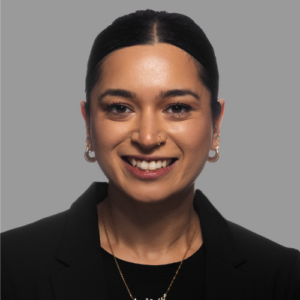
Sunia Barak boasts over ten years of experience as a paralegal, specializing in contract law and property law. With a business law degree from Cornell University, Sunia uses her deep legal knowledge to help clients navigate complex legal matters. At FCI, she oversees the preparation, management, and compliance of various contracts and agreements, liaising with external parties and ensuring efficient contract execution, risk management, and regulatory compliance. Sunia is dedicated to streamlining processes and improving client satisfaction. Outside of work, she enjoys spending quality time with her family and exploring new destinations through travel.
Bryan Adams
FINANCE MANAGER
Bryan is a Navy veteran who has held management and leadership roles in multiple industries for over 15 years. For the last four years, he has been working as an accountant in the software industry. During that time, he completed his Master of Accounting degree from NC State University, and he earned his CPA license. He brings with him experience in financial reporting, data analytics, and problem solving. When he is not working, Bryan enjoys spending time with his wife Annie and their seven-year-old son Jackson and 15-month-old daughter Leona. He enjoys cooking, fishing, kayaking, camping, and sharing other hobbies with his son. It is his passion for family that motivates him to help FCI grow and succeed.
Karen O’Donnell, PhD
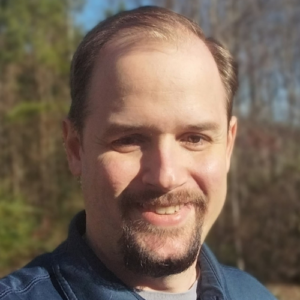
COMMITTEE MEMBER, FOUNDER
Dr. Karen O’Donnell is Associate Professor (retired), Departments of Psychiatry and Pediatrics, Duke University Medical Center and Director of Prevention and Global Initiatives at the Center for Child and Family Health (also retired). She is a Senior Research Fellow at Duke Global Health Initiative. She received her graduate training in special education (M.Ed.) and clinical psychology (Ph.D.) at the University of North Carolina at Chapel Hill and completed post-doctoral study in Early Childhood at the University of Illinois, Chicago Circle.
She has been a Licensed Practicing Psychologist in North Carolina since 1988. Her expertise focuses on infant and early childhood and development, traumatic stress, parenting, maternal mental health and treatment, the effects of in utero cocaine and HIV exposure on early development, and child and family assessment. Dr. O’Donnell is the lead author on the PEPFAR funded Child Status Index (CSI), now used to assess orphans and other vulnerable children in over 16 resource poor countries; the CSI provided the model for the Family Support Matrix, used in the Family Connects program. She continues to be an active participant in the implementation of the universal short-term home visiting program for newborns and their families, Family Connects, and its national dissemination.
Diana English, PhD
COMMITTEE MEMBER
Dr. English completed her Ph.D. at the School of Social Work at the University of Washington. For the next 17 years, she was the Director of Research for the Children’s Administration of the Washington Department of Social and Health Services. In that capacity, she studied child protection and child welfare issues, including foster care and adoption. From 2004 to 2007, Dr. English was the Director of Research at the Child Welfare League of America; as well as Principal Investigator for the Adopt US Kids Initiative.
She was also Principal Investigator of the Seattle local site of LONGSCAN (Longitudinal Studies of Child Abuse and Neglect), which examined the causes and consequences of child maltreatment. Finally, from 2007 to 2017, Dr. English was a Senior Consultant at the Casey Family Program (CFP), where she worked with states across the country on systems change initiatives focusing on child protection and reduction of the number of children in foster care.
Joe Waters, MDIV
COMMITTEE MEMBER
Joe Waters is the co-founder and CEO of Capita and serves as a Senior Advisor at Openfields consulting firm. Waters was the Executive Vice President of the Institute for Child Success. A 2021 Aspen Institute Ascend Fellow, his views have been published by several outlets, including the Investor’s Business Daily, The Hill, Newsweek, Stanford Social Innovation Review, The Charlotte Observer, The Atlanta Journal-Constitution, and Nonprofit Quarterly.
He was invited to speak at the White House’s first forum on social impact finance, the Aspen Forum on Children and Families, the Lego Idea Conference, Think Future, and the World Forum on Early Care and Education. He is a board member of the Felician Center and chairs the South Carolina Advisory Board for Nurse-Family Partnership. He has a bachelor’s degree from Furman University and a master’s degree in divinity from Duke University.
Deborah Daro, PHD
COMMITTEE MEMBER
Deborah Daro, Senior Research Fellow Emeritus at Chapin Hall at the University of Chicago, has played a key role in the development and assessment of evidence-based home visitation programs, working with Federal administrators and Congressional leaders in crafting initial guidelines for the Federal Maternal, Infant and Early Childhood Home Visiting Program (MIECHV). Prior to joining Chapin Hall in January 1999, Dr. Daro contributed to the development of Healthy Families America (HFA), one of the largest evidence-based home visiting models in the country.
With over 40 years of experience in evaluating child abuse treatment and prevention programs, she is considered one of the leading national experts in crafting effective strategies to prevent child maltreatment, foster positive parent-child interactions, and support optimal child development. Most recently her research and writing have focused on strategies, such as Family Connects, that embed individualized, targeted prevention efforts within more universal efforts to alter normative standards and community context. Dr. Daro holds a Ph.D. in social welfare policy from the University of California, Berkeley.
Steven Green, MBA
COMMITTEE MEMBER
Steven Green, MBA serves as a board member for Playful Learning Inc. and has served as a general partner of Ordinance Capital L.P., a Florida-based investment firm, since 1997. From 2012-2019, he was a board member of the New York Times Company. Steven was President of Captain Gardner House, a real estate development property, and owner of Medical Transportation Inc. He holds a Bachelor of Arts in Economics from Duke University, a master’s in real estate development from the Columbia School of Architecture & Planning, and a Master of Business Administration in Finance from Columbia Business School.
Kenneth Dodge, PhD
COMMITTEE MEMBER, FOUNDER
Kenneth Dodge is the William McDougall Distinguished Professor of Public Policy and Professor of Psychology and Neuroscience at Duke University. He is also a faculty fellow at the Duke Center for Child and Family Policy, which he founded in 1999. Ken’s research resulted in the Family Connects Model and he continues to publish new evidence on Family Connects at Duke University.
Robert Murphy, PhD
COMMITTEE MEMBER, FOUNDER
Robert Murphy is an Associate Professor of Psychiatry and Behavioral Sciences at Duke University, Executive Director for the Center for Child & Family Health, and co-founder. Robert collaborates with the Duke University Research Team to publish findings.
Colleen Bridger, MPH, PhD
DIRECTOR
Colleen Bridger, MPH, PhD, is founder and CEO of Colleen Bridger Consulting, LLC, working with non-profits and local governments to help them address the root causes of some of their most challenging service delivery issues. She has served as the Local Health Director in three North Carolina counties for 20+ years, as well as District Health Director and Assistant City Manager in San Antonio, TX. Dr. Bridger also founded and directed the Institute for Child Success in Greenville, SC.
Arden Handler, MPH, DrPH
DIRECTOR
Dr. Arden Handler is Professor Emeritus of Community Health Sciences, and until August 2024, a longtime Director of the Center of Excellence in Maternal and Child Health at the University of Illinois at Chicago School of Public Health. Dr. Handler has a long history of conducting evaluations of public sector maternal and women’s health programs as a way of generating information for systems and policy change, including leading or co-leading the process evaluation of three Family Connects programs in Illinois.
Pilar Olivo, MPA
DIRECTOR
Pilar Olivo guides the implementation of Family Connects Frederick County at Frederick Health Hospital, as principal of Adepta LLC. She previously led and supported cross-institutional workgroups to increase child and family resiliency at the Frederick County Division of Family Services. She is president of the Coalition for a Healthier Frederick County, the local health improvement coalition for Frederick County Health Department and Frederick Health Hospital. She has a master’s in public affairs from Princeton University’s School of Public and International Affairs and has more than 25 years of leadership experience in women’s health policy and children’s issues.
David Reese, MBA
DIRECTOR
David Reese recently served as the President and CEO of the Foundation for Health Leadership & Innovation (FHLI). Prior to this role, he led the Durham Children’s Initiative as President & CEO for 12 years. David’s career includes serving as COO for food recovery and distribution at the Inter-Faith Food Shuttle. Currently, he serves on the boards of SouthLight, Family Connects International, and the Truist Bank local Advisory Board. In 2006, David was honored as one of the Triangle Business Journal’s “Top 40 Under 40” business leaders. He holds an MBA and hails from the Bronx, NY. David resides in Durham with his wife, Iris, and their three children.
Elizabeth Doggett, MA, BSN, BA
DIRECTOR
Elizabeth is a maternal and child health professional with twenty years of experience in direct patient care and global public health program and policy work. She holds Bachelor’s degrees in Women’s Studies, Creative Writing, and Nursing from University of North Carolina Chapel Hill and a Master of Arts degree in Women’s Studies and Public Policy from University at Albany. She is also a mother, a nature lover, and is active in volunteer pursuits in her home city of Durham, NC.
Michele Benoit-Wilson, MD, FACOG
DIRECTOR
Michele Benoit-Wilson is a board-certified Obstetrician/Gynecologist whose life’s work has been providing the full scope of women’s health care, including preventative care, high-risk obstetrics, and gynecologic surgery. Dr. Benoit-Wilson is a graduate of Brown University where she earned her B.A. in Biology and Afro-American Studies before completing her medical education there in 1999. She is serving her second term on the board of the Brown Medical Alumni Association. She trained at Pennsylvania Hospital in Philadelphia and has since practiced in New Jersey, Central Pennsylvania and North Carolina, most recently with WakeMed Health.
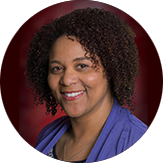
Diane R. Johnson Grant, DrPH, MPH
VICE CHAIR
Diane R. Johnson Grant, DrPH, MPH, is a health communications and strategy expert. For almost 25 years, she has served in several executive capacities including her current position as the Chief Communications and Public Health Officer at Miss Porter’s School. She is the former Chief Marketing and Communications Officer at Providence Hospital (DC), has held senior-level roles in both large and boutique PR agencies and served as a senior advisor to the Office of Research on Women’s Health at the National Institutes of Health and the Barbara Bush Foundation for Family Literacy.
Diane earned her graduate degrees at the University of North Carolina Gillings School of Global Public Health where she currently serves as adjunct faculty. She uses her expertise in public health, communications, and health policy to educate and facilitate behavior change to improve people’s lives. She brings her love of public health, passion for communications, and international health experience in service to Family Connects International.
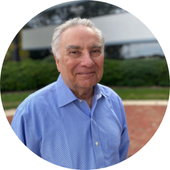
Arnold Adlin, MUP
TREASURER
For forty years Mr. Adlin enjoyed a wide-ranging career in the financial services industry. After working in the administration of Mayor John V. Lindsay of New York City, he worked variously as Executive Vice President, Managing Director, Partner, and/or Principal for such organizations as Oppenheimer Properties, Value Properties, and Bernstein Global Wealth Management to structure comprehensive strategies that addressed complex investment issues. In retirement, Mr. Adlin has served on the Board of WHIN, a charter school in NYC. Currently he serves as Co-Chair of the Investment Committee of the Katonah (NY) Museum of Art.
Jonathan Kotch, MD MPH MA
CHAIR
Dr. Jonathan Kotch, a board-certified medical specialist in pediatrics and preventive medicine, retired in 2016 after 38 years on the faculty of the Department of Maternal and Child Health of the UNC Gillings School of Global Public Health.
Dr. Kotch was the lead researcher for the North Carolina cohort of LONGSCAN, Longitudinal Studies in Child Abuse and Neglect, which at the time was the longest (22 years) and the largest (1354 mother-infant pairs) ever funded by the Office of Child Abuse and Neglect of USDHHS. Dr. Kotch served for 8 years on the Advisory Board of the Durham Family Initiative, the precursor of FCI.



 DATA ANALYST



 OPERATIONS MANAGER
 MARKETING AND COMMUNICATIONS SPECIALIST




 TEAM LEAD, ADVANCED IMPLEMENTATION SPECIALIST

 IMPLEMENTATION SPECIALIST
 SENIOR CONTRACTS MANAGER
 COMMITTEE MEMBER, FOUNDER

 COMMITTEE MEMBER
 COMMITTEE MEMBER, FOUNDER
 DIRECTOR
 DIRECTOR
 DIRECTOR
 VICE CHAIR
 TREASURER